Personalization in Digital Marketing: Importance, Benefits & Examples

corporapt

What Is Personalization in Digital Marketing?

Personalization in digital marketing means creating customised marketing experiences based on a customer’s characteristics, interests, behaviour, preferences or previous interactions with a business.

For example, an online store may recommend products based on previous purchases. A website may display different content depending on what a visitor has previously viewed. An email campaign may send different messages to new customers and existing customers.

Personalization can be simple or highly advanced. Even basic audience segmentation—such as creating separate communication for first-time visitors, existing customers and inactive customers—can make marketing more relevant.

The objective is straightforward: replace one-size-fits-all communication with communication that feels more meaningful to the individual.

Why Is Personalization Important in Digital Marketing?

Consumers today expect digital experiences to be relevant to their needs. When businesses consistently show generic content that has little connection with the customer’s interests, engagement can decline.

Personalization helps businesses communicate more effectively by focusing on what matters to different audience groups.

For example, a person researching retirement planning may be more interested in retirement-related educational content than a person who is primarily interested in children’s education or wealth creation.

Personalized communication can therefore help businesses improve engagement, build stronger relationships and guide customers through their buying or decision-making journey.

It also allows businesses to make better use of their digital marketing efforts. Instead of communicating with every customer in exactly the same way, marketers can divide audiences into relevant segments and create content for their specific needs.

Benefits of Digital Marketing Personalization

1. Better Customer Engagement

Relevant content naturally has a better chance of attracting attention. When customers see information related to their interests or needs, they are more likely to read, click, watch or respond.

2. Improved Customer Experience

Personalization makes customers feel understood rather than treated as part of a large, anonymous audience. A relevant website experience, email or social media message can make the entire interaction more useful.

3. Higher Conversion Opportunities

When marketing communication addresses a person’s specific needs, it can make the path towards taking action easier. The action could be making a purchase, filling out a form, booking a consultation or simply requesting more information.

4. Stronger Customer Relationships

Consistently providing useful and relevant communication can help businesses build trust over time. This is particularly valuable for businesses where customers make decisions based on confidence and long-term relationships.

5. More Efficient Marketing

Personalization allows businesses to focus their content and campaigns on specific customer groups rather than spending resources communicating the same message to everyone.

Examples of Personalization in Digital Marketing

Personalization is already a part of many everyday digital experiences.

Personalized email marketing: Customers can receive different emails based on their interests, past interactions, stage in the customer journey or preferences.

Product recommendations: E-commerce websites frequently recommend products based on browsing history or previous purchases.

Personalized website content: A website can highlight different content, offers or calls-to-action depending on the visitor’s interests or previous behaviour.

Targeted social media content: Businesses can create different content themes for different audience segments, such as beginners, existing customers or premium customers.

Personalized advertisements: Digital advertising platforms can allow businesses to reach specific audience groups based on available targeting parameters.

Content recommendations: Blogs and websites can suggest articles based on the topics a visitor has already explored.

The level of personalization depends on the business, its audience, available data and marketing technology.

How Personalization Improves Customer Experience

A successful digital experience should make it easy for customers to find information that is relevant to them.

Imagine visiting a website and immediately finding content that answers the questions you actually have. Compare that with a website filled with generic information that requires you to search for everything yourself.

Personalization can reduce this friction.

For example, a business could organise content around different customer needs, create segmented email campaigns, offer relevant resources and use personalised calls-to-action. These small improvements can make digital communication feel more helpful and less promotional.

However, personalization should always be handled responsibly. Businesses should respect privacy, use customer information appropriately and avoid making communication feel intrusive. The goal should be relevance, not excessive tracking or unnecessary targeting.

Personalization and Digital Marketing for Mutual Fund Distributors

Personalization has significant potential for Mutual Fund Distributors (MFDs) because investors have different financial goals, life stages, levels of financial knowledge and communication preferences.

For example, a young investor may be interested in content about starting a SIP, while another investor may want educational content about retirement planning, children’s education or long-term wealth creation.

An MFD can use this understanding to create relevant digital content for different audience segments.

A website can organise educational resources around different financial goals. Social media content can address common questions from new investors as well as more experienced investors. Email communication can be segmented according to investor interests or stages of the relationship.

This approach can help an MFD move away from simply posting generic promotional content and towards becoming a consistent source of useful, relevant financial education.

For MFDs, personalization must also be balanced with the applicable regulatory and communication requirements. Financial communication should remain clear, fair, accurate and appropriately disclosed. SEBI’s regulations and related guidance place important requirements on communications and advertisements, including digital and social-media communications.

This makes thoughtful content planning especially important for financial professionals. The objective is not to make every message aggressively sales-oriented, but to deliver the right educational or informational content to the right audience while maintaining responsible communication standards.

Conclusion

Personalization in digital marketing is ultimately about making digital communication more relevant and useful to the people receiving it.

From personalized emails and website experiences to segmented social media content and targeted campaigns, businesses can use personalization to improve engagement, customer experience, relationships and marketing effectiveness.

For Mutual Fund Distributors, the opportunity is even more meaningful. Investors have different goals and levels of understanding, so relevant educational communication can help an MFD connect with audiences more effectively and build a stronger digital presence.

As digital competition increases, businesses that understand their audience and communicate with greater relevance will be better positioned to create meaningful and lasting customer relationships.

What is personalization in digital marketing?
Personalization in digital marketing means delivering relevant content and experiences based on customer interests, behavior, and preferences.

Why is personalization important in digital marketing?
It helps businesses make digital experiences more relevant and can improve customer engagement and conversions.

What are the benefits of personalization in digital marketing?
Key benefits include better customer engagement, relevant content, improved user experience, and stronger customer relationships.

What is an example of personalization in digital marketing?
Examples include personalized website content, product recommendations, targeted emails, and content based on previous user interactions.
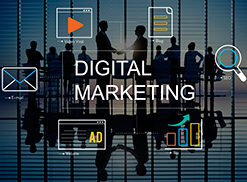
The Importance of Personalization in Digital Marketing

personalization in digital marketing
Personalization in digital marketing helps businesses create more relevant and engaging experiences for their customers.  Personalization in digital marketing can help businesses deliver more relevant content to their target audience.
Personalization has become one of the most important aspects of digital marketing in recent years. It is the process of creating tailored marketing campaigns that cater to the unique needs and preferences of individual customers. Personalization enables businesses to connect with their customers on a deeper level, building strong relationships and increasing customer loyalty. In this article, we will explore the importance of personalization in digital marketing and how it can benefit businesses. A strong personalization in digital marketing approach can also improve the overall customer experience.

Personalization in Digital Marketing and Customer Experience

Personalization is all about providing customers with an experience that is tailored to their unique preferences and needs. This improves the overall customer experience and increases the chances of converting visitors into customers. By personalizing content, businesses can ensure that customers receive relevant and useful information that meets their specific needs. This can lead to higher engagement rates, longer website sessions, and increased customer satisfaction. Digital marketing personalization helps businesses deliver content and experiences that are more relevant to their customers.

Increased Customer Loyalty

Personalization can also help to build customer loyalty. When businesses take the time to understand their customers and provide personalized experiences, customers are more likely to feel valued and appreciated. This can lead to increased brand loyalty and repeat purchases. According to a study by Epsilon, 80% of customers are more likely to do business with a company that offers personalized experiences.

Higher Conversion Rates

Personalization can also lead to higher conversion rates. By tailoring marketing messages to the specific needs and preferences of customers, businesses can increase the chances of converting visitors into customers. According to a study by Monetate, personalized emails have an open rate of 29.3%, compared to a non-personalized rate of 5.9%. This demonstrates the power of personalization in increasing engagement and driving conversions. Digital marketing personalization can make marketing messages more relevant to individual customers and improve their chances of taking action.

Better ROI

Personalization can also improve the return on investment (ROI) of digital marketing campaigns. By tailoring content to the specific needs and preferences of customers, businesses can increase the relevance of their marketing messages, leading to higher engagement rates and better conversion rates. This can result in higher revenue and profits for businesses.

Competitive Advantage

Personalization can also give businesses a competitive advantage. By providing personalized experiences, businesses can differentiate themselves from competitors and stand out in a crowded marketplace. Customers are more likely to choose a business that offers personalized experiences over one that does not.

How Personalization in Digital Marketing Helps Businesses

Businesses can use personalization in digital marketing to make their communication more relevant to different audiences. They can personalize website content, email campaigns, social media messages, product recommendations, and advertising based on customer interests and online behavior.

For example, an online business can recommend products based on a visitor’s previous interactions. Email campaigns can also use relevant content and offers according to customer preferences. Personalized experiences can help businesses build stronger relationships with their audience and make digital communication more useful.
However, personalization should always be handled responsibly. Businesses should respect customer privacy, use information appropriately, and focus on creating genuine value. When used thoughtfully, personalization can improve customer engagement and create a better overall digital experience.
Another important benefit is that personalization can help businesses understand what their audience needs. By studying relevant customer interactions and preferences, businesses can create more useful content and improve the overall customer experience across different digital channels.

In conclusion

personalization is a crucial aspect of digital marketing. It can improve the customer experience, increase customer loyalty, drive higher conversion rates, improve ROI, and provide a competitive advantage. Businesses that prioritize personalization are more likely to succeed in today’s digital marketplace. By understanding the unique needs and preferences of their customers, businesses can build strong relationships and drive growth and profitability.

How Digital Marketing is Revolutionizing the Mutual Fund Industry

1091sddfv

Digital marketing has had a transformative effect on numerous industries in recent years, and the mutual fund industry is no exception. Digital marketing strategies and tools are being used to reach investors more effectively, create greater transparency, and provide an enhanced overall experience.

Here are some of the ways in which digital marketing is revolutionizing the mutual fund industry.

  1. Increased Reach and Accessibility

The digital age has opened up new channels for reaching potential investors. Mutual fund companies can now use digital marketing strategies such as search engine optimization (SEO), social media advertising, email marketing, and content marketing to reach a wider audience.

These tools allow mutual fund companies to increase their brand visibility and generate leads more efficiently. Investors are also able to access mutual fund information and make investment decisions from their computer or smartphone.

  1. Improved Customer Experience

Digital marketing has transformed the customer experience by providing a more streamlined and personalized experience. Mutual fund companies are using data analytics to better understand their customers and create targeted campaigns that appeal to specific demographics.

Additionally, digital marketing has enabled mutual fund companies to create more engaging content, such as videos and interactive tools, to help investors understand their investment options better.

  1. Increased Transparency

Digital marketing has also facilitated greater transparency in the mutual fund industry. Investors can now access information about a fund’s performance, fees, and investment strategy more easily. Mutual fund companies are also required to disclose more information about their operations and holdings, which has increased transparency and improved investor trust.

  1. Automation

Digital marketing has enabled mutual fund companies to automate many of their marketing processes, which has reduced costs and improved efficiency. For example, digital marketing tools can be used to automate email marketing campaigns, social media posts, and other marketing activities. This frees up time for mutual fund companies to focus on other areas of their business, such as investment management and customer service.

  1. Personalization

Digital marketing has enabled mutual fund companies to personalize their marketing efforts, creating a more engaging experience for investors. For example, mutual fund companies can use data analytics to create targeted campaigns that speak to specific demographics or investment goals.

Additionally, mutual fund companies can use digital tools to personalize their communications with investors, such as using an investor’s name in an email or sending personalized investment recommendations based on their investment history and risk tolerance.

  1. Cost-Effective Marketing

Digital marketing is a cost-effective way for mutual fund companies to reach investors. Traditional marketing channels, such as print advertising and television commercials, can be expensive and may not reach the desired audience effectively.

Digital marketing, on the other hand, can be targeted specifically to investors who are most likely to be interested in a particular mutual fund. This makes it a more efficient use of marketing resources and can result in a higher return on investment.

In conclusion, digital marketing has revolutionized the mutual fund industry in several ways. It has increased reach and accessibility, improved the customer experience, increased transparency, facilitated automation, enabled personalization, and provided a cost-effective marketing strategy. As the industry continues to evolve, it is likely that digital marketing will play an even more significant role in the future.

Why investors trust only human advisors instead of switching to robo advisory platforms.

corporapt

Robo Advisory Platforms have changed the way investors access digital investment services. These platforms use algorithms and technology to provide automated investment-related services. Despite the growing popularity of digital solutions, many investors still prefer working with human advisors because they value personal interaction, communication, and support.

What Are Robo Advisory Platforms?

Robo Advisory Platforms are digital platforms that use software, algorithms, and automated processes to provide investment-related services. Users generally provide information about their financial goals, preferences, and risk tolerance. The platform then uses this information to generate automated recommendations or portfolio options.

The main attraction of robo-advisors is convenience. Investors can access digital services without visiting an office or having frequent face-to-face meetings. Automated systems can also process large amounts of information quickly and provide a simple digital experience.

However, technology cannot provide every type of support that an investor may need.

Why Do Investors Still Prefer Human Advisors?

One of the biggest reasons investors continue to choose human advisors is personal interaction. Investing involves financial decisions that can become difficult during uncertain market conditions. Speaking with a real person can help investors understand information, ask questions, and make more informed decisions.

Human advisors can communicate directly with clients and understand their individual circumstances. They can explain financial concepts in simpler language and discuss different investment options according to the investor’s requirements.

This personal connection is something that automated platforms cannot fully reproduce.

Human Communication During Market Volatility

Market movements can sometimes create uncertainty among investors. When markets experience significant changes, investors may have questions about their existing investments or future decisions.

A human advisor can communicate with the investor, explain the situation, and provide relevant information. This direct interaction can be especially valuable for investors who prefer discussing important financial matters with a real person.

Robo Advisory Platforms can process information automatically, but they cannot have a genuine conversation with an investor or understand emotions in the same way as a human professional.

Understanding Individual Investor Requirements

Every investor can have different financial circumstances, preferences, investment experience, and risk tolerance. Human advisors can discuss these factors directly with clients and understand the context behind their decisions.

For example, two investors may have similar financial goals but completely different preferences regarding investment products or risk. A human advisor can have a detailed conversation with both investors and explain relevant options.

Automated platforms generally depend on the information entered by the user and predefined algorithms. This can work well for straightforward requirements, but some investors prefer a more interactive experience.

The Importance of Human Expertise

Technology can make financial information easier to access, but human expertise remains important. Experienced advisors can explain market developments, investment concepts, and product-related information in a way that clients can understand.

They can also answer questions that may not fit into a standard automated process. When an investor has a complex situation, direct communication with a human professional can provide greater clarity.

This is one reason many investors continue to value human advisors even as digital investment platforms become more popular.

Human Advisors and Investor Behaviour

Investor behaviour can influence financial decisions. During periods of market uncertainty, some investors may become worried and consider making quick decisions.

A human advisor can discuss these concerns with the investor and provide relevant information about market conditions and investment objectives. This conversation can help investors understand their options before making a decision.

Robo Advisory Platforms can follow predefined rules and algorithms, but human communication provides an additional layer of understanding that automated systems cannot completely replace.

Where Robo Advisory Platforms Can Help

Robo-advisors still have an important role in the financial services industry. They can provide convenience, digital accessibility, automated processes, and easy access to investment information.

They may be useful for investors who prefer digital platforms and have relatively straightforward requirements. Technology can also help make financial services more accessible to people who are comfortable using online platforms.

The growth of robo-advisors does not necessarily mean that human advisors will disappear. Instead, technology and human expertise can continue to exist alongside each other.

Human Advisors vs Robo Advisory Platforms

The main difference between the two approaches is the level of human interaction.

Robo Advisory Platforms depend mainly on technology, algorithms, and automated processes. Human advisors provide direct communication, discussion, explanations, and ongoing interaction.

For investors who value convenience and automated digital services, robo-advisors can be an attractive option. For investors who prefer personal communication and human interaction, working with a human advisor can be more suitable.

Conclusion

Robo Advisory Platforms have introduced new ways for investors to access digital financial services. Their convenience, automation, and technology-driven approach have made them increasingly popular.

However, many investors still prefer human advisors because financial decisions often involve personal circumstances, questions, emotions, and changing requirements. Human communication allows investors to discuss their concerns and understand available options directly.

Technology will continue to play an important role in the financial services industry, but the value of human interaction remains significant. For many investors, the combination of technology and human expertise can provide a more complete experience than relying on automation alone.